

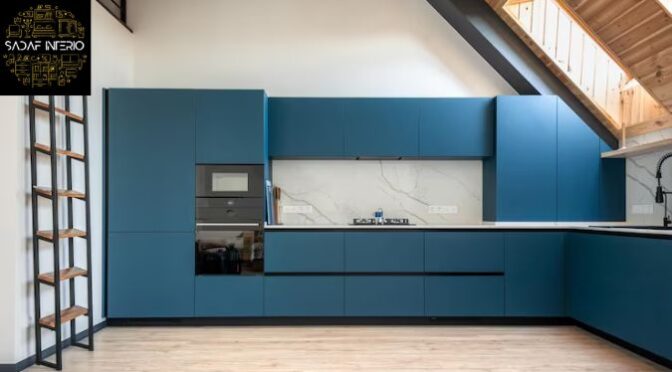
Today, modular kitchens have become immensely popular. In various parts of Kolkata, such as Park Circus and Bhowanipore, you can find many homes where homeowners are adopting this type of kitchen. However, planning for this type of architecture and interior design involves meticulous execution. You need to talk to professionals who can create a system from smaller, self-contained units (or modules) that can be modified, replaced, or combined. But how to proceed with the planning process? Let’s take a look.
1. Start with a Clear System Architecture
When it comes to creating a modular kitchen in Park Circus, you will need to work with an interior designer. Consider a few points, such as what is the primary purpose of the system and its core functions? By mapping out the architecture, you establish a draft that all modules will connect to. This involves identifying the system’s boundaries, the key interactions between different parts, and the overall user experience. A clear master plan prevents modules from becoming disjointed. It ensures a harmonious working procedure.
2. Zone Your Kitchen for Optimal Flow
Modern design builds on the work triangle by creating dedicated activity zones. Think of your kitchen in terms of these key areas:
Consumables Zone: The refrigerator and pantry for food storage.
Preparation Zone: Ample counter space between the sink and cooktop for chopping and mixing.
Cleaning Zone: The sink, dishwasher, and area for waste segregation.
Cooking Zone: The cooktop, oven, and storage for pots, pans, and spices.
By grouping related items and appliances into these zones, you eliminate cross-kitchen traffic and ensure everything you need is right where you need it.
3. Prioritise Storage Solutions
This is where a modular kitchen in Bhowanipore stands out. Instead of empty cabinets, you need to specify purpose-built storage for every item.
Base Cabinets: You can include deep pull-out drawers for pots and pans instead of hard-to-reach deep shelves. Also, consider a tall unit for baking sheets and trays.
Wall Cabinets: Install cabinets that lift rather than swing out to avoid hitting your head. You can use them for lighter, less frequently used items.
Corner Cabinets: You can transform dead space into accessible storage with these.
Accessories: You can create vertical dividers for cutting boards, pull-out spice racks, and cutlery organisers to keep countertops clutter-free.
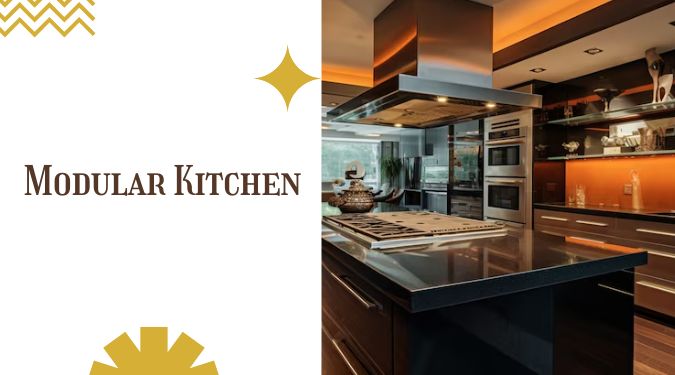
4. Design for Ergonomics and Safety
A functional kitchen needs to be comfortable and safe to use.
Countertop Heights: You need to consider counter heights that suit different tasks. A standard height is common, but a higher section is ideal for prep work to avoid back strain.
Appliance Placement: You can place the microwave at eye level to avoid bending and ensure the cooktop is not directly next to a walkway.
Lighting: You can layer your lighting and combine bright, shadow-free task lighting under wall cabinets with ambient ceiling lights and accent lighting to illuminate the spaces effectively.
5. Select Durable and Easy-to-Maintain Materials
To make a modular kitchen in Kolkata functional, you need to talk to the interior designers and choose materials that can withstand the heat, moisture, and heavy use, such as:
Countertops: Quartz and granite are popular for their durability.
Cabinetry: Look for high-pressure laminates or acrylic finishes that are resistant to scratches, stains, and are easy to wipe clean.
Flooring: Porcelain or ceramic tiles offer durability and are easy to maintain.
By following this logical sequence, you can make your modular kitchen stand out from the rest while avoiding pressure on your budget.
Call for a Consultation
To consult with the experts at Sadaf Interio regarding a modular kitchen, call 8961603472 or send an email to mdeisan16@gmail.com with your details, and we will get in touch with you.
FAQ: How Do You Plan a Modular Kitchen Design for Best Functionality?
- What is the "Work Triangle" and why is it important?
The Work Triangle is the efficient path connecting your sink, refrigerator, and cooktop. A well-planned triangle minimises unnecessary steps, making cooking and cleaning faster and more streamlined.
- What are "kitchen zones" and how do they help?
Zones are dedicated areas for specific tasks, like a Preparation Zone (chopping) and a Cooking Zone (pots & spices). Grouping items and appliances this way keeps everything you need within arm’s reach, eliminating cross-kitchen traffic.
- What is the most important storage feature I should include?
Full-extension, soft-close drawers in base cabinets. They provide easy, full access to pots and pans without the need to crouch and rummage in the back of deep shelves.
- How can I make my corner cabinets useful?
Install rotating “lazy Susans” or pull-out “magic corner” systems. These mechanisms bring items in the back of the corner to the front, completely eliminating dead space.
- Is one countertop height sufficient?
We recommend varying heights for different tasks. A higher section (around 1050mm) is ideal for food prep to prevent back strain, while a standard height is fine for other uses.
- Where is the best place to put a microwave?
At eye level, either in a wall cabinet or a tall unit. This prevents the need to bend down and is much safer when handling hot food.
- What is the most durable and low-maintenance countertop material?
Engineered Quartz is a top choice. It’s extremely hard-wearing, non-porous (so it resists stains), and requires no sealing, unlike natural stone.
- What type of cabinet finish is easiest to clean?
High-Pressure Laminate (HPL) or acrylic finishes. They are highly resistant to scratches, stains, and moisture, and can be easily wiped clean with a damp cloth.
- How should I plan my kitchen lighting?
Use a layered approach: bright LED task lighting under wall cabinets for prep work, ambient ceiling lights for general illumination, and accent lighting for atmosphere.
- What's the first step in planning my modular kitchen?
Resist the urge to pick colours first. Start by analysing your workflow—how you move between the sink, fridge, and stove—and then define your activity zones. The layout is the foundation of functionality.

